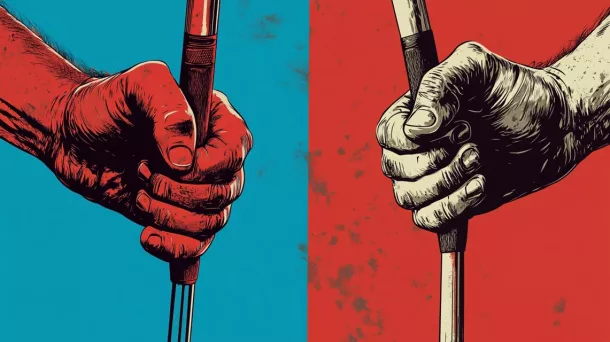
When to Regrip Your Golf Clubs: Why Texas Humidity Speeds Up the Timeline

Most golfers regrip their clubs too infrequently. The industry recommendation is once a year or every 40 rounds — but in Texas, that timeline needs to move up. The combination of heat, humidity, and frequent play that defines Texas golf accelerates grip wear faster than most golfers realize. Here’s everything you need to know about when to regrip, how to tell when your grips are past their prime, and what to replace them with.

How Texas Climate Affects Grip Life

Golf grips are made from rubber or synthetic rubber compounds that degrade in response to heat, UV exposure, sweat, and oil from your hands. Texas delivers all four in abundance. In summer, grip surface temperatures in a golf bag left in a hot car can exceed 130°F — enough to accelerate material breakdown significantly. The oils from your hands during a hot, sweaty round penetrate deeper into the grip material than they would in cooler conditions. And the UV exposure on an exposed bag over hundreds of hours of Texas sun causes surface hardening that reduces tackiness.

The practical result: a grip that might last 18 months in Minnesota may need replacing after 10–12 months in Dallas or Houston. If you play year-round in Texas — as many golfers do — plan to regrip annually at minimum, and twice a year if you’re playing 3+ rounds per week.

Signs Your Grips Need Replacing

You don’t need to count rounds to know when grips are worn. Here are the physical signs that tell you it’s time: the grip surface feels smooth or slick rather than tacky when dry; you notice you’re gripping harder than usual to maintain control; you can see visible shiny patches, cracks, or worn areas on the grip surface; the grip feels hard rather than slightly soft when you squeeze it; or you’re slipping during the downswing — especially in humid conditions when your hands are slightly damp. Any one of these is a signal. Multiple signs mean you’re overdue.

The Cost of Playing on Worn Grips

Golfers dramatically underestimate how much worn grips affect their game. When a grip loses its tackiness, your hands subconsciously tighten to compensate. Grip pressure above a certain threshold creates tension in the forearms and wrists that restricts your swing arc and reduces clubhead speed. It also reduces feel around the greens — your short game depends on feedback through the grip, and a worn, hardened grip deadens that feedback. Regripping your clubs is the cheapest swing improvement available. A set of regrips typically runs $50–$120 all-in, depending on grip model and whether you DIY or use a shop.

Best Golf Grips for Texas Conditions

The right grip for Texas golf needs to perform well when your hands are warm and slightly sweaty. Corded grips — which have a woven fabric material built into the rubber compound — are the preferred choice for many Texas golfers because they maintain traction even when wet. Pure examples include the Golf Pride Tour Velvet Plus4 Cord and the Lamkin Crossline Cord. For golfers who prefer a softer feel, the Golf Pride MCC Plus4 is a hybrid option with a corded lower hand and softer rubber upper hand that balances traction and comfort effectively.

Standard rubber grips like the Golf Pride Tour Velvet are the most popular grip on tour and offer a good balance of feel and durability. They work well in Texas conditions when fresh but tend to show wear faster than corded options. If you play three or more rounds per week in Texas, investing in corded or hybrid grips extends your replacement timeline and gives you more consistent performance through a full season.

Grip Size: Are You Playing the Right Thickness?

Most golfers play standard-size grips without ever considering whether a different size would improve their game. Grip size affects how much your hands rotate through impact — too small promotes too much hand action (which can cause hooks), while too large restricts rotation (which can cause pushes and slices). If you’re fighting a consistent miss in one direction, grip size could be a contributing factor worth addressing when you regrip.

A simple test: when you grip the club normally, the fingers of your top hand should lightly touch the base of your thumb. If your fingers dig uncomfortably into your palm, go up a size. If there’s a significant gap between your fingertips and your thumb pad, go down a size. Many PGA professionals and club fitters offer free grip sizing consultations — take advantage of it the next time you’re having your clubs regripped.

DIY Regripping vs. Using a Pro Shop

Regripping clubs is a straightforward DIY project that requires grip tape, solvent, a vise, and about 30 minutes per club. The supplies cost less than $30 and can be reused for multiple regripping sessions. If you’re comfortable with basic hand tools and enjoy maintaining your equipment, DIY regripping is a genuine money-saver over time. Golf Pride and Lamkin both offer instructional videos that make the process accessible to first-timers.

If you’d rather leave it to a professional, most Texas golf shops offer regripping services at $3–$6 per club in labor plus the cost of the grips themselves. A full bag of 13 clubs typically takes 24–48 hours for turnaround. Callaway, TaylorMade, and Golf Galaxy locations across Texas offer quick turnaround regripping, often with a wide selection of grip models to choose from in person.

Build It Into Your Annual Routine

The easiest way to stay on top of grip maintenance is to build regripping into your annual golf routine. Many Texas golfers use the end of summer — late September or October — as their regripping window, when the most intense heat and play of the season has passed and the fall golf season is starting. Fresh grips going into the best weather months of the year means you’re playing at your best when the conditions are most enjoyable. Texas Golf Network covers equipment maintenance and gear reviews throughout the year — check back for updates on the latest grip releases and seasonal recommendations.

Best Golf Shoes for Hot, Dry Texas Summers: 2026 Guide

Playing golf in a Texas summer is its own discipline. When it’s 97 degrees and you’re walking 18 holes on baked Bermuda fairways, your footwear matters more than most golfers realize. The wrong shoes mean sweaty feet, blisters, and fatigue that shows up in your scorecard by the 14th hole. The right shoes keep you comfortable, grounded, and focused on playing good golf from the first tee to the last putt. Here’s what to look for — and the best options on the market for 2026.

What Makes a Golf Shoe Right for Texas Summer?

Texas summer golf demands shoes that address four specific challenges: heat management, stability on firm Bermuda turf, water resistance for early-morning dew and cart path puddles, and durability through a season of frequent play. Breathability is the top priority — a non-breathable shoe in August heat turns into a sweat box by the third hole. Stability matters because hard Texas fairways don’t offer the soft give that provides natural grip, so your outsole traction needs to work harder. And durability matters because if you’re playing two to four rounds a week in heat, cheaper shoes break down fast.

Spikeless vs. Spiked: What Texas Golfers Prefer

The shift toward spikeless golf shoes has been pronounced in Texas over the last decade, and for good reason. On firm, dry Bermuda courses, spikeless shoes provide adequate traction while being significantly more comfortable for walking and for wearing off the course. They’re also easier on greens, which courses appreciate. Traditional spiked shoes still hold an edge in wet conditions — early morning rounds soaked with dew, or the rare wet summer storm — but for the majority of dry Texas summer play, spikeless is the more comfortable and practical choice for most golfers.

1. FootJoy Pro SL Carbon — Best Overall

FootJoy’s Pro SL Carbon is the benchmark spikeless golf shoe for serious players. The carbon fiber outsole delivers exceptional stability and energy return through the swing, and the upper features a perforated microfiber material that breathes well in summer heat. The fit is precise and supportive — critical for golfers who walk rather than ride. Multiple colorways are available, and the shoe holds up exceptionally well through a full Texas golf season. At around $180–$200, it’s an investment, but one that justifies itself over a full season of play. The Pro SL is the most popular shoe on tour and among competitive Texas amateurs for a reason.

2. adidas Tour360 24 — Best for Wide Feet

The adidas Tour360 has been a staple of the golf shoe market for years, and the 2024 version is the best iteration yet. The Boost midsole provides outstanding cushioning for walkers, and the wider toe box is a genuine advantage for Texas golfers who play multiple rounds per week and need room for foot expansion in the heat. The 360-wrap outsole provides 360 degrees of traction engagement, which performs well on firm Texas fairways. Breathability is good, though not quite at the level of the FootJoy Pro SL. Priced around $180–$200.

3. ECCO Biom C4 — Best for Comfort Walkers

ECCO makes some of the most comfortable golf shoes available, and the Biom C4 is built specifically for golfers who walk and prioritize comfort over a full 18-hole round. The FLUIDFORM direct-injection sole construction creates a shoe that feels broken in from the first wear — there’s no painful break-in period that many golf shoes require. The yak leather upper is durable and breathable, and the outsole traction performs well on firm turf. At around $200, it’s at the top of this price range, but the walking comfort is genuinely superior to most competitors. A strong choice for golfers who regularly walk 36-hole days in Texas heat.

4. Skechers GO GOLF Elite 5 — Best Value Under $100

Skechers has become a legitimate player in the golf shoe market by offering performance-oriented footwear at prices that undercut the major brands by 30–50%. The GO GOLF Elite 5 features a lightweight, breathable upper with adequate traction for Texas course conditions and enough cushioning for an 18-hole walk. It won’t match the stability or performance of the FootJoy or adidas options, but for casual golfers who don’t need premium performance, it’s an excellent value at around $80–$95. The shoe holds up well for a full season and is widely available at major sporting goods retailers across Texas.

5. G/FORE Disruptor — Best Style

G/FORE has carved out a niche in premium golf footwear by combining genuine performance with bold, fashion-forward design. The Disruptor is the brand’s most popular model — a spikeless shoe with a clean, modern silhouette and an outsole that performs well on firm Texas turf. Breathability is above average, and the colorway options are unmatched in the category. At around $195–$225, it’s priced at a premium, but for golfers who care about how they look on the course, the G/FORE Disruptor is the best-dressed option on this list.

What About Waterproofing in a Texas Summer?

Texas summers are mostly dry, but morning rounds regularly involve heavy dew — and afternoon thunderstorms can roll in fast. A shoe with at least basic water resistance is worth having, even in summer. Most of the shoes on this list offer some level of water resistance or weatherproofing. If you regularly play early morning tee times from April through October, look for a shoe rated waterproof for at least one hour of water exposure. FootJoy and ECCO both offer waterproof constructions across their lineup at a modest price premium.

Fit Tips for Texas Summer Golf Shoes

Feet expand in heat — sometimes by half a size during an outdoor round. If you’re shoe shopping for Texas summer golf, try shoes on at the end of the day when your feet are at their largest. Ensure there’s at least a thumb’s width of space between your longest toe and the end of the shoe. Wear the socks you actually play in when fitting. And don’t assume your street shoe size translates directly — golf shoe sizing varies enough between brands that always trying before buying (or ordering from a retailer with easy returns) is worthwhile.

The Bottom Line

The right golf shoe for a Texas summer keeps you cool, stable, and comfortable through 18 holes regardless of how hot it gets. The FootJoy Pro SL Carbon is the top all-around choice, the adidas Tour360 wins for wide-footed golfers, and the Skechers GO GOLF Elite 5 delivers honest value at under $100. Invest in quality footwear and your feet — and your scorecard — will thank you through every round from May to October. Texas Golf Network reviews gear for Texas golfers all year long.

Best Golf Rangefinders Under $200: Tested and Ranked for Texas Golfers

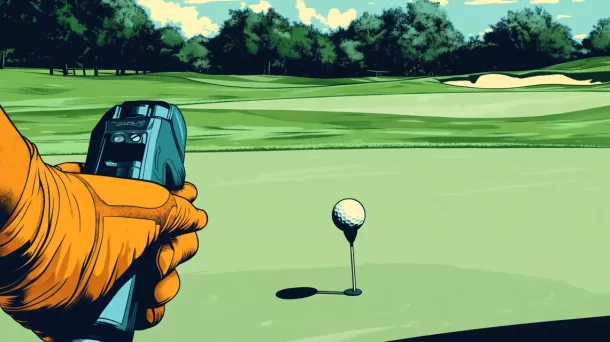
A rangefinder is the single most useful piece of equipment a Texas golfer can carry. Knowing the exact distance to the flag, front edge, and hazards takes the guesswork out of club selection and speeds up your pace of play. The good news: you don’t need to spend $400 to get an accurate, reliable rangefinder. Here are the best options under $200, ranked for real-world performance on Texas courses.

Why Every Texas Golfer Needs a Rangefinder

Texas golf involves wide-open spaces, wind, and courses where yardage markers are sometimes obscured by terrain or poorly placed. Eyeballing distance on a 420-yard par-4 in a crosswind at a course you’ve never played is a recipe for bad decisions. A rangefinder gives you a hard number in under three seconds and removes the mental overhead of guessing. For golfers who are working on breaking 90 or 80, knowing your exact yardage is one of the highest-leverage improvements you can make without touching your swing.

What to Look for in a Golf Rangefinder Under $200

At the sub-$200 price point, you’re looking for four key features: accuracy within one yard, fast target lock (under two seconds), a slope mode for practice rounds on hilly Texas terrain, and a durable housing that can handle summer heat and the occasional drop in the cart. Magnification should be at least 6x, and battery life should last a full season of regular play. Most units in this price range are laser rangefinders — GPS units are an alternative, but laser provides more precise pin-specific yardage that serious golfers prefer.

1. Bushnell Tour V5 Shift — Best Overall Under $200

The Bushnell Tour V5 Shift is consistently the top recommendation for golfers who want reliable performance at a fair price. The “Shift” refers to the slope-switch technology that allows you to toggle slope compensation on and off with one button — critical since slope-adjusted readings aren’t allowed during tournament play but are invaluable for practice rounds. The V5 is fast, accurate to within a yard at distances up to 400 yards, and comes in a compact form factor that fits comfortably in a cart cup holder or cargo pocket. Bushnell’s PinSeeker technology vibrates when it locks on the flag rather than background objects. Street price typically runs $170–$195.

2. Precision Pro NX9 HD Slope — Best Value

Precision Pro has become a serious contender in the sub-$200 rangefinder market by offering performance that rivals units costing twice as much. The NX9 HD Slope features a high-definition display that reads clearly in bright Texas sunlight, slope-adjusted distances, and a fast acquisition speed that makes it easy to lock on flags from a moving cart. The company’s customer service and warranty support have earned consistent praise. At around $150–$175, it’s the best value in this category and a particularly strong choice for golfers who play in variable lighting conditions.

3. Callaway 300 Pro — Best for Casual Golfers

The Callaway 300 Pro offers a simplified feature set that makes it ideal for casual golfers who want reliable yardages without a learning curve. The magnetic cart mount is a standout feature — it keeps the rangefinder accessible throughout the round without fumbling with a case. Accuracy is solid to within a yard at most distances relevant to approach shots, and the slope mode is clearly labeled and easy to engage. At around $130–$150, it’s the most affordable entry point on this list without sacrificing meaningful performance. A great first rangefinder for golfers new to using laser devices.

4. Blue Tees Series 3 Max — Best Display

Blue Tees has emerged as one of the most competitive brands in the affordable rangefinder space. The Series 3 Max features a large, bright OLED display that’s particularly easy to read in the harsh midday Texas sun that makes standard LCD screens wash out. It offers slope mode, fast target acquisition, and a premium feel that belies its sub-$200 price. The rangefinder also has a tournament legal mode that disables slope in compliance with USGA rules. For golfers who spend a lot of time on sun-baked Texas courses in the summer, the display quality alone makes the Series 3 Max worth serious consideration.

5. Gogogo Sport Vpro GS24 — Best Budget Option

If you want to try a rangefinder without spending more than $100, the Gogogo GS24 is the best option at the lower end of the price spectrum. It won’t match the speed or display quality of the Bushnell or Precision Pro units, but it delivers accurate yardages within two yards at distances up to 300 yards — more than adequate for most approach shots. For golfers who primarily play shorter municipal courses and just want a reliable distance device, the GS24 gets the job done. Think of it as the starter rangefinder before you upgrade to a premium unit.

Slope Mode: Should You Use It?

Slope mode adjusts your displayed yardage to account for uphill and downhill elevation changes, giving you a “plays like” distance rather than a straight-line measurement. On Hill Country courses with significant elevation change, slope mode can be the difference between choosing the right club and being short or long by 15 yards. For casual play, always use it. For tournament play, disable it — slope-adjusted rangefinders aren’t permitted under USGA and most local rules, and any device with slope enabled is illegal even if you’re not looking at the slope reading.

Rangefinder vs. GPS Watch: Which Is Right for You?

GPS golf watches give you front, middle, and back yardages for every hole automatically, which is convenient but less precise than a laser rangefinder. For golfers who want to keep their hands free and don’t need pin-specific yardage, a GPS watch is a legitimate alternative. For golfers who care about exact pin position — especially on large Texas greens where front and back can differ by 40 yards — a laser rangefinder is the better tool. Many serious Texas golfers use both: a GPS watch for general course awareness and a rangefinder for precise approach shot yardage.

The Bottom Line

You don’t need to spend $400 on a rangefinder to get accurate, reliable yardages on any Texas course. The Bushnell Tour V5 Shift is the top overall choice, the Precision Pro NX9 HD is the best value, and the Callaway 300 Pro is the easiest to use for casual golfers. Any of the five units on this list will improve your course management and your scorecard. Texas Golf Network reviews gear year-round — check back for updates as new models release and pricing changes.